
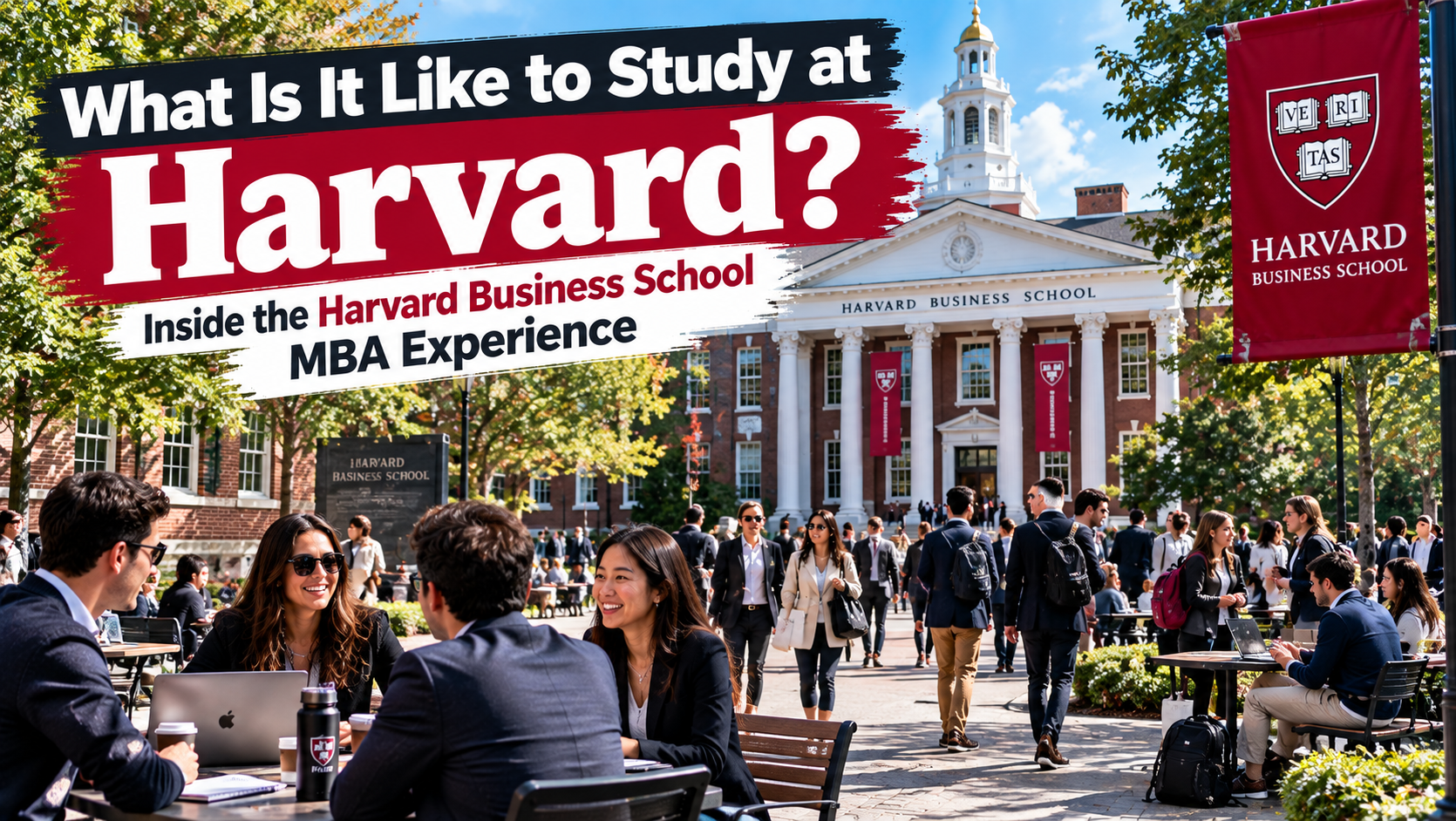
Studying at Harvard is often described as a surreal experience. While many know the institution through its famous alumni—such as Mark Zuckerberg, Natalie Portman, and the Obamas—or pop culture references like Legally Blonde, numerous myths still surround what actually happens inside the classrooms, how students live, what it costs, and whether it is truly worth it.
Drawing from the perspective of a recent Harvard Business School (HBS) graduate, let’s break down the full experience across the core curriculum, campus life, high-profile opportunities, and the financial reality of the degree.
1. Structure of the HBS MBA Program
Harvard Business School is part of a massive ecosystem of 12 graduate schools and the undergraduate college, founded back in 1636. The signature MBA is a two-year, full-time program divided into two distinct halves:
- The RC (Required Curriculum / First Year): All students take roughly 12 core courses establishing foundational business concepts, including finance, marketing, strategy, leadership, operations, entrepreneurship, and data science. Students are grouped into “sections” of about 90 peers with whom they take all first-year classes and share their initial experiences.
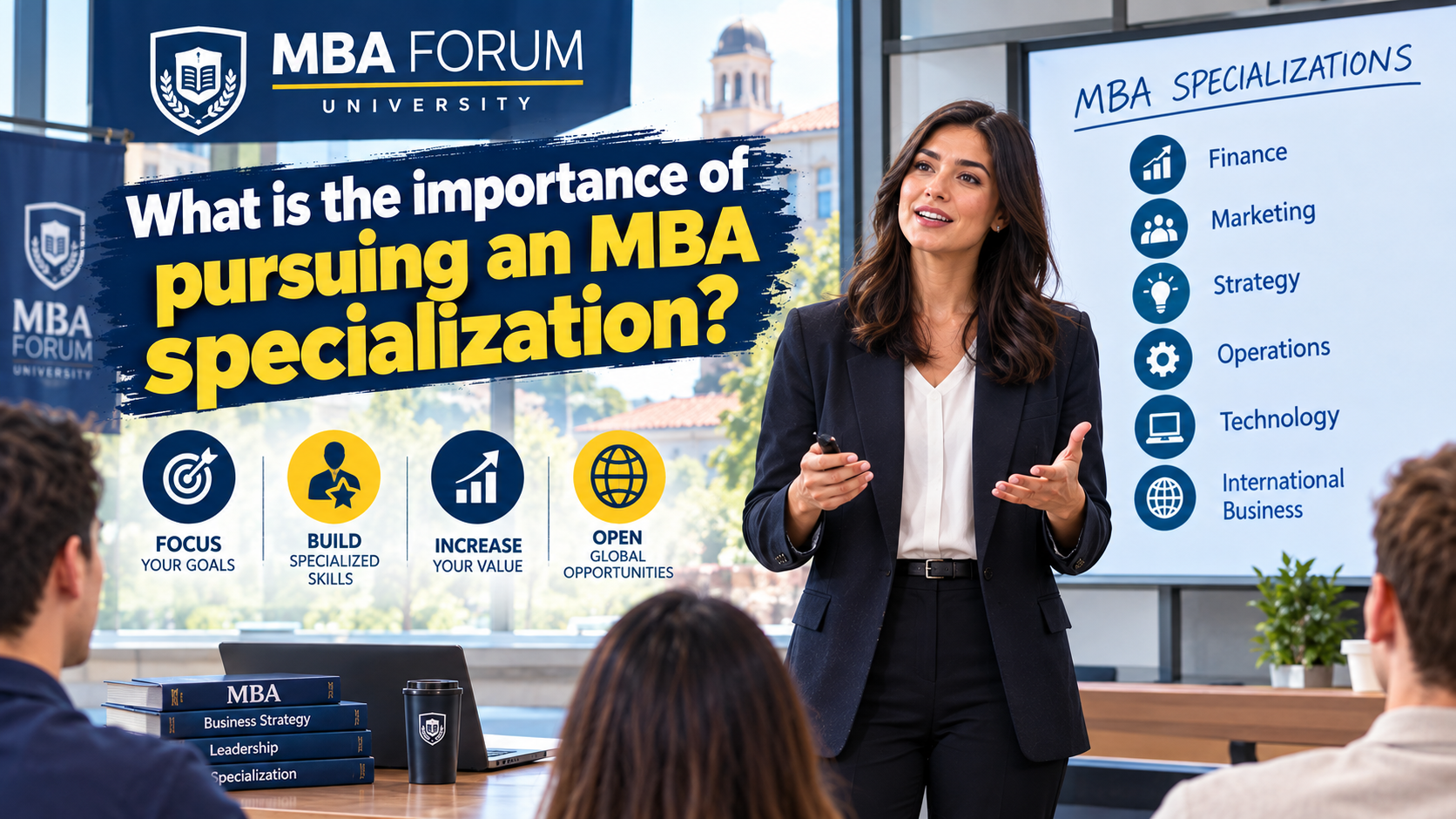
- The EC (Elective Curriculum / Second Year): Students customize their education by choosing from over 100 elective courses or even crossing over to take classes at other nearby institutions like MIT.
2. The Case Method of Teaching
Rather than relying purely on traditional lectures, HBS relies heavily on the case method, a teaching style introduced over a century ago.
- The Setup: Students spend 80 minutes per class putting themselves in the shoes of a real company leader facing a critical decision. Before class, you must read, analyze, and prepare your defense for a specific business case.
- The Dynamic: Class sessions are driven entirely by student debate and discussion, with professors acting as facilitators. It trains you to constantly question your initial assumptions, listen to diverse perspectives, and learn how to change your mind based on new insights.
3. Life Outside the Classroom
Beyond academics, the HBS bubble offers an intense, community-driven lifestyle:
- Campus Living: Many students choose to live directly on campus in dormitories or university-owned family apartments. Being just a five-minute walk from classes allows you to be surrounded by your peers 24/7, making it a unique stage of life where you live right next door to all your friends.
- Clubs and Social Life: With over 95 active student clubs—ranging from professional tracks like venture capital and consulting to niche communities like Formula 1 fans or the “Brew Club”—there are endless outlets for connection.
- Travel: Travel is a massive part of the cultural experience. Between school-sponsored trips, club outings, and holidays, many students visit dozens of new countries, turning classmates into lifelong friends.
4. Special Immersive Experiences
HBS offers unique, high-impact experiential programs that push students outside their comfort zones:
- FIELD Global Capstone: A mandatory first-year program where multidisciplinary teams partner with real international businesses. This culminates in an international field trip; for example, working directly with companies like Naivas (often described as the “Walmart of Kenya”) in Nairobi to analyze global consumer markets firsthand.
- Short Intensive Programs (SIPs): Held during January, these niche courses feature high-profile guest speakers. Notable sessions include marketing workshops with Ryan Reynolds, human-centric leadership panels with top multinational CEOs, and intensive motorsports management studies led by Mercedes-Benz F1 Team Principal Toto Wolff alongside legendary HBS faculty.
5. The Recruiting Process and Career Outcomes
The MBA serves as a major professional launchpad, but the recruiting race is fast-paced and demanding.
- The Pressure: Balancing heavy coursework, social life, and club participation while preparing resumes, networking, and sitting through multiple interview rounds requires strict time management.
- Outcomes: While structured recruiting paths exist heavily for consulting and investment banking, many students also target tech companies or early-stage startups. Post-MBA starting salaries frequently average around $150,000+ USD base, paired with sign-on bonuses and performance incentives.
6. Financial Reality: Is It Worth It?
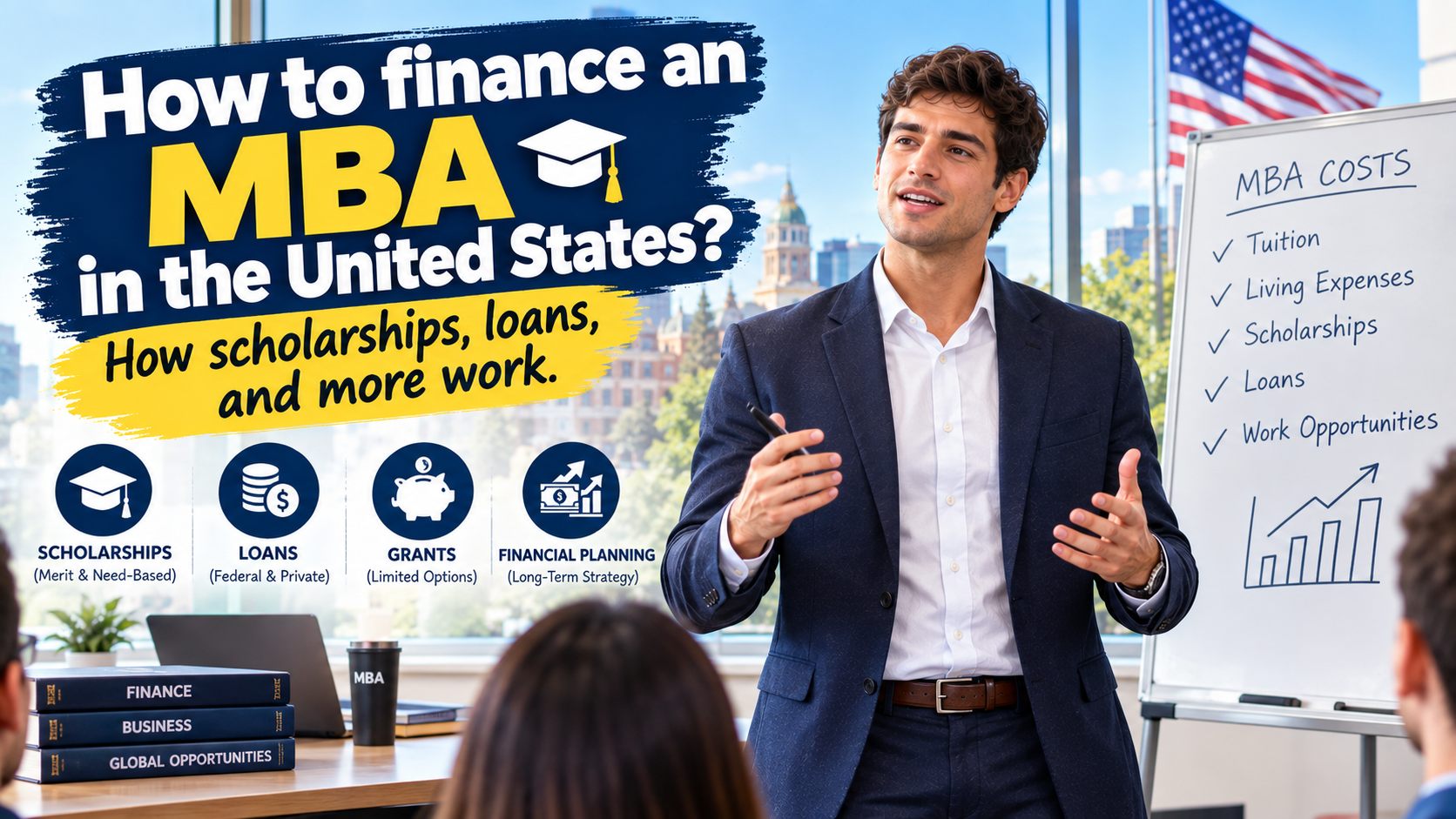
When calculating the true cost of an MBA, you must account for tuition, cost of living in the Boston area, and the opportunity cost of stepping away from a full-time salary for two years. Total program costs can approach $250,000 USD (though partial merit-based scholarships can significantly reduce this burden).
Evaluating the return on investment depends on your personal starting point:
- If your prior salary was $100,000 and your post-MBA base increases to $150,000+, the payback window generally spans roughly 6 years (excluding future promotions and bonuses).
- However, measuring Harvard purely by financial ROI misses the broader point. The true value lies in the network, the global perspective, the mentorship, and the dedicated two-year window to completely rethink your career trajectory.
For those looking to build a high-impact global network or pivot into competitive industries, the investment can be life-changing—though it remains a deeply personal decision that depends heavily on your individual goals and financial standing.





Leave a Reply